
Thinking About Downsizing Your Portland Home?
Personalized Support At Your Pace
Understand what your home is actually worth in today's Portland market
Clear guidance on which repairs make sense—and which don't
Find a home that fits your life now—not what worked 15 years ago
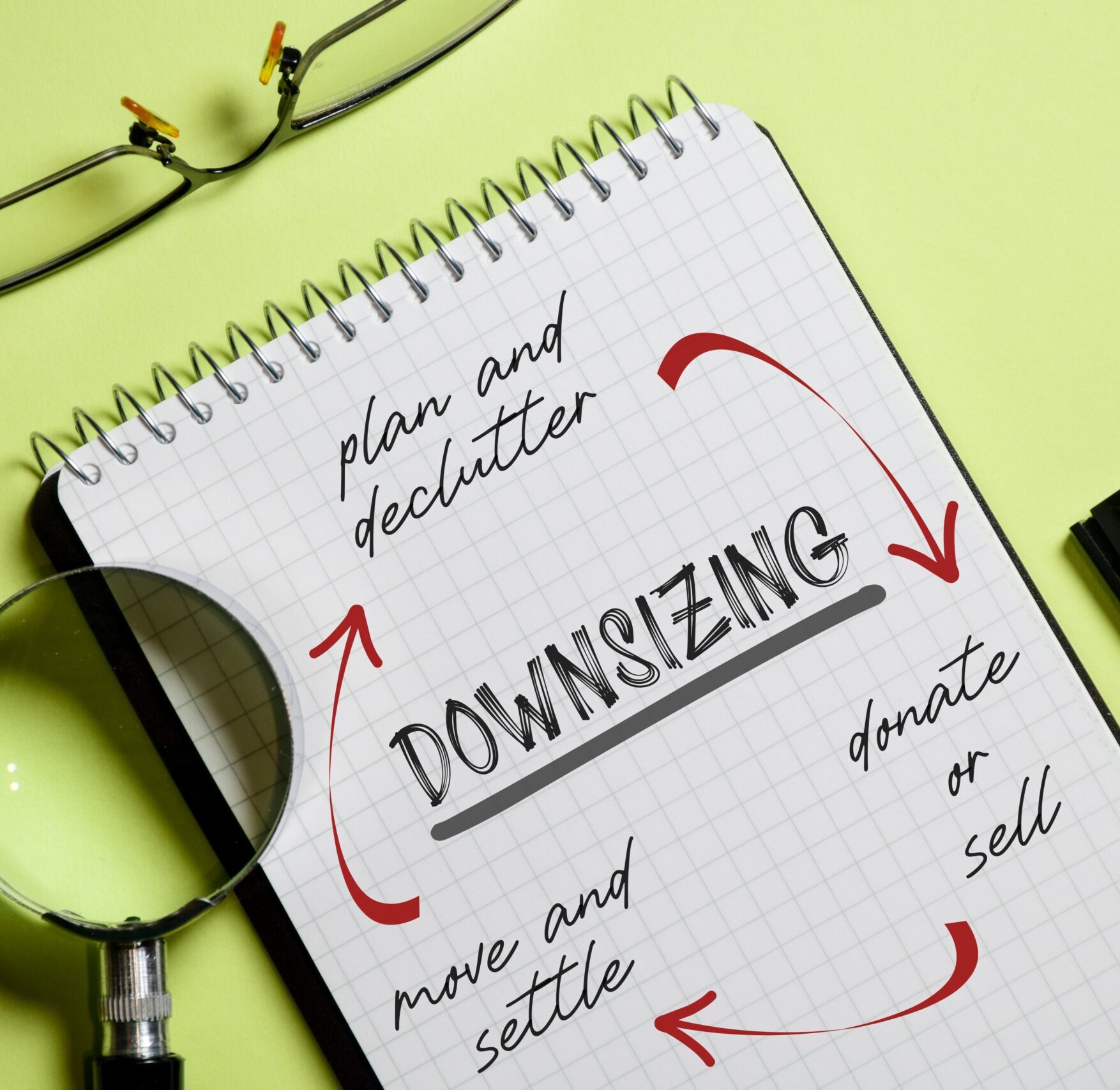
I recently talked with a couple who'd been thinking about downsizing for three years. They loved their Woodstock home—raised their kids there, hosted every Thanksgiving—but it was starting to feel like too much house. The stairs were getting harder. The yard that used to be a joy was becoming a weekend burden. They knew it was time to think about what comes next.
But every time they tried to move forward, they got stuck. Where should they go? When's the right time? What can they actually afford? And how do you even begin sorting through 20 years of accumulated stuff?
Sound familiar?
Here's what I've learned after helping Portland-area homeowners through this exact transition—and after spending two years downsizing from my own 25-year family home:
This doesn't have to be overwhelming.
When you have the right information and someone who understands both the practical side and the emotional side of this transition, downsizing becomes a lot more manageable. Sometimes it even becomes exciting.
Let me walk you through what you need to know.

The Benefits of Downsizing
Why Portland-Area Homeowners Are Making This Move
Over the past few years, I've noticed a clear trend: more homeowners in their 50s, 60s, and 70s are choosing to downsize—not because they have to, but because they've looked ahead and realized their current home doesn't match their vision for what comes next.
They've taken the time to think it through, weighed what they'd gain against what they'd give up, and decided that now is the right time to create a plan that works for their future.
Here's what they're gaining:
Lower Monthly Costs and Financial Breathing Room
If you've owned your Portland-area home for 15+ years, you've likely built substantial equity. But the financial benefit goes beyond just having money in the bank—it's about monthly breathing room and less financial stress.
Here's what actually happens:
I worked with a couple last year who downsized from a 3,000 sq ft home in Beaverton to a 1,800 sq ft home in Canby. Their monthly housing costs dropped by $500—that's $6,000 per year they're no longer spending on mortgage, utilities, insurance, and maintenance.
What you can typically expect:
- Lower or no mortgage if you use your equity to buy your next home
- Reduced utility bills—typically 20-40% less for heating, cooling, and water
- Lower insurance costs—often $50-100/month in savings
- Less maintenance spending—smaller or newer homes need less upkeep
- More predictable expenses—fewer surprise repairs
The specifics vary depending on which home you're leaving and which one you're moving to, but many of my clients see significant monthly savings. We can run your actual numbers together during our consultation.
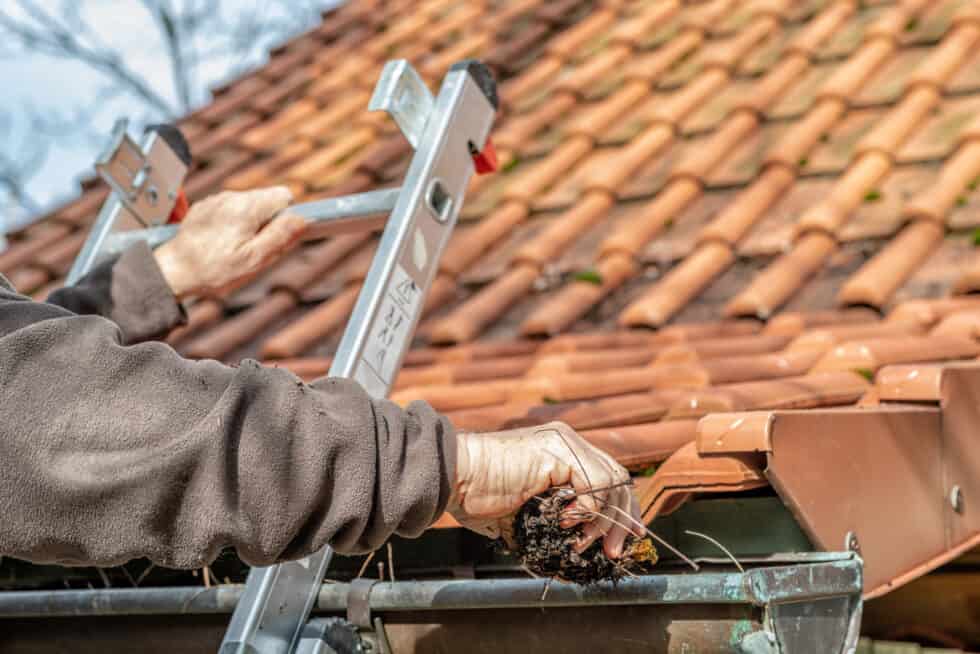
Less Maintenance, More Time for What You Want
It's Not Just the Work—It's the Mental Space
Based on my own experience "I didn't realize how much mental space the house was taking up until I moved."
I'm not talking about the physical work—mowing the lawn, cleaning gutters, dealing with repairs. I'm talking about the constant awareness that something needed attention.
In a smaller or newer home:
- You spend less time on yard work (or eliminate it entirely)
- Repairs are less frequent and less expensive
- Cleaning takes hours instead of a full day
- You're not constantly thinking about "that project I need to do this weekend"
What this actually looks like:
I had a client who moved from a 4-bedroom house in West Linn to a 2-bedroom townhome in Multnomah Village. She told me: "I used to spend 6-8 hours every Saturday on house stuff. Now I'm done in two hours, and I spend the rest of the day at the farmers market, meeting friends, or just reading."
That's the real benefit—time and mental space for what you actually enjoy.

More Flexibility and Freedom
Choosing What Fits Your Life Now
Downsizing isn't about "less." It's about right-sizing—choosing what fits your life now instead of keeping what made sense 20 years ago. For some people, that means moving to a smaller home. For others, it means moving to a different type of home—maybe a single-level instead of two stories, or a walkable neighborhood instead of suburban. The size matters less than the fit.
This might mean:
- Moving closer to family—whether that's your kids in Beaverton or grandkids in Vancouver, WA
- Being in a walkable neighborhood—places like Hillsdale, Multnomah Village, or downtown Lake Oswego where you can walk to coffee shops
- Traveling more—with less house to worry about and lower monthly costs, you can lock the door and go
- Trying something new—some clients move to completely different areas (the coast, Bend, even out of state)
A real example:
I worked with a couple who wanted to spend most of the year in Arizona. But with their large Portland home, they worried about leaving it empty for months. Plus, the stairs in their multi-level home were becoming hard to manage.
Their solution: sell the Portland home and buy a smaller, single-level home in Arizona. This lowered their monthly overhead—enough that they could afford the right home in Arizona and be able to rent either in Portland or on the Oregon Coast for a few months at a time. This gives them the best of both worlds.
In other words, downsizing gave them the flexibility to build a new lifestyle—without stretching their budget or locking themselves into a decision before they were sure.
When to Consider Downsizing

There's no universal "right time" to downsize, but most of my clients share a few common situations:
Empty Nest
Your kids have moved out, and you're maintaining rooms that haven't been used in years. The house feels too big, and you're starting to think about what you'd do with the extra time and money if you weren't managing so much space.
Approaching or Entering Retirement
You're thinking about your retirement budget and realize that lowering your monthly housing costs would give you more financial flexibility. Or you're planning to travel more and don't want to worry about maintaining a large property while you're away.
Health or Mobility Concerns
Stairs are becoming harder to manage, or you're thinking ahead to a time when they might be. You want to move before it becomes necessary, while you still have energy and control over the decision.
How To Downsize Your Portland Home

Start with Planning, Not Packing
The biggest mistake I see people make is starting with decluttering or repairs before they have a clear plan. That leads to decision fatigue and often delays the whole process.
Here's a better approach:
1. Understand Your Financial Position
Before you do anything else, you need to know:
- What your current home is worth in today's market
- How much equity you have
- What you can afford for your next home
- Whether it makes sense to sell first or buy first
We can walk through all of this together during a consultation. I'll pull comparable sales data for your neighborhood and help you understand your options.
2. Think About What You Actually Want
This isn't just about square footage. It's about lifestyle.
Ask yourself:
- Do you want to stay in your current neighborhood or try somewhere new?
- Do you want a single-level home, or are stairs okay?
- How important is walkability?
- Do you want a yard, or would you rather eliminate yard work?
- Do you want to be closer to family?
There's no wrong answer—but clarity here makes everything else easier.
3. Declutter Strategically (Not All At Once)
Here's what I learned from my own downsizing: trying to declutter the entire house at once is overwhelming and counterproductive.
A better approach:
Start with one room or area. Give yourself a week. Focus on things you definitely don't need in your next home—extra furniture, old paperwork, items in storage you haven't touched in years.
Don't try to make every decision at once. Some things you'll keep, some you'll donate, some you'll pass along to family. That's normal.
I spent two years downsizing my own home, and even then, there were boxes I didn't sort through until after the move. Give yourself permission to go at your own pace.
4. Acknowledge the Emotional Side
This isn't just a transaction. You're leaving a home where you've built a life—maybe raised kids, hosted holidays, created memories.
That's significant, and it's okay to feel conflicted about it.
Most of my clients tell me the anticipation of the move was harder than the actual move itself. Once they were settled in their new home, they felt relief—not regret.
But the process itself can be emotional, and that's normal. If you need to take breaks, slow down, or talk through what you're feeling, that's part of the process.
5. Get Professional Help (It's Worth It)
You don't have to do this alone.
Whether that's working with a real estate agent who understands downsizing (not just "selling houses"), hiring a senior move manager to help with logistics, or bringing in an estate sale company to handle items you're not keeping—professional help makes this process significantly less stressful.
My role is to help you think through the plan, understand your options, and coordinate the process so you're not managing everything yourself.
Next Steps: Let's Start the Conversation

If you're thinking about downsizing—whether that's in the next few months or you're still in the "researching" phase—let's talk.
Here's what a consultation looks like:
- We'll discuss your current situation and what's prompting you to consider downsizing
- I'll walk you through what your home is worth in today's market
- We'll talk about neighborhoods and home types that might fit what you're looking for
- You'll leave with a clear sense of your options and what the process would actually look like
No pressure. No obligation. Just information to help you make the best decision for what comes next.
Or if you'd prefer to start with more information, here are some helpful resources: